
Why an AI Vending Machine Is Worth the Extra Money
A traditional vending machine works. It has worked for decades. So when you see the price tag on an AI vending machine sitting next to a traditional one that costs $2,000 to $5,000, it is fair to ask: what exactly am I paying for?
The short answer: you are paying for a machine that runs part of the business for you. Here is what that means in practice, and why so many of our customers are choosing the HaHa AI Vending Machine as their first purchase, not their upgrade.
1. It tells you what to stock, so you stop guessing
A traditional machine gives you no information. You find out what sold when you open the door and count what is missing.
An AI machine tracks every sale as it happens. You know which snacks sell out by Tuesday, which drinks sit untouched, and what time of day people buy. That means every restock is based on real data. Slots that used to hold slow movers now hold bestsellers, and bestsellers earn.
2. You manage it from your phone, not your car
This is the one owners feel first. With a traditional machine, checking inventory means driving to the machine. If you own three machines across town, that is your Saturday.
With an AI machine, your phone shows you live inventory, sales, and earnings for every machine you own. You drive out when a machine actually needs you, not to find out whether it does. If you want vending to be a side business instead of a second job, this feature alone makes the case.
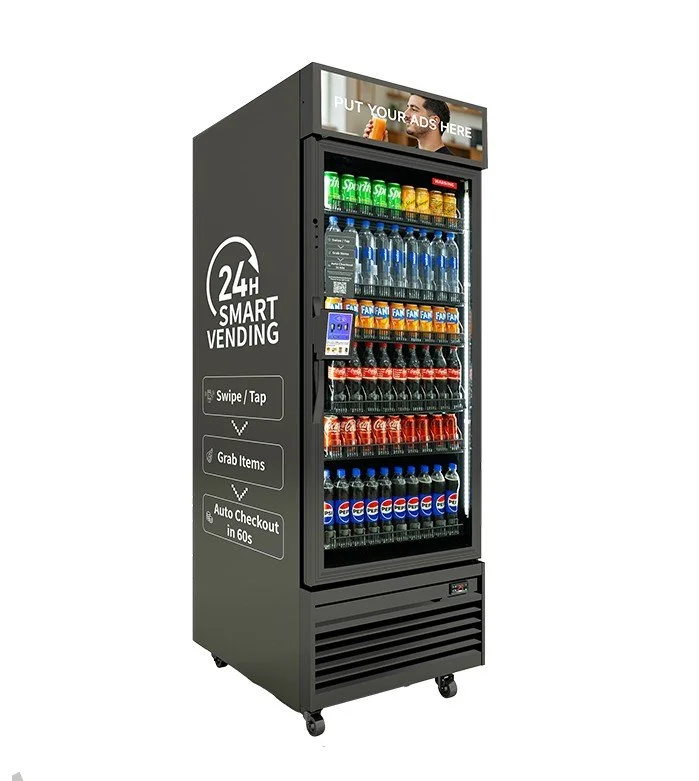
3. It takes every kind of payment
Fewer people carry cash every year. AI machines accept cards, phones, and tap payments out of the box, so you never lose a sale because someone only had Apple Pay. A traditional machine can be retrofitted with a card reader, and we sell those too, but with an AI machine it is built in from day one.
4. It can adjust prices on its own
AI machines support dynamic pricing. You can raise prices on high-demand items, run discounts to move product before it expires, and test what a location will actually pay. A traditional machine charges whatever the sticker says until you drive out and change it.
5. It looks like something people want to use
The touchscreen matters more than you might think. Property managers deciding whether to let a machine into their lobby are comparing a sleek modern screen against a 1990s snack box. The AI machine wins those conversations, and better locations mean better earnings. If you are still hunting for a spot, see our guide to the best locations for an AI vending machine.
So what does it cost?
Traditional machines from Monclus run $3,000 to $6,000, and they remain a solid, proven way to start. Our AI vending machines run.
The way to think about the difference is not the sticker price. It is the gap between what each machine earns and costs you over a year. The AI machine closes that gap from both ends: it earns more per slot because it stocks smarter and takes every payment, and it costs you less time because it monitors itself.
When a traditional machine still makes sense
We will be straight with you: if your budget is firm and your location is simple, a traditional machine is a fine purchase, especially paired with a card reader from our card readers page.
But if you can stretch to the AI machine, you are not buying a fancier snack box. You are buying back your weekends and buying better data, and both of those turn into money.
See one for yourself
Monclus stocks the HaHa AI Vending Machine and traditional machines at our Queens warehouse, serving New York, New Jersey, and Connecticut. Browse the store or call (718) 744-6018 and we will walk you through the numbers for your location.
FAQ
Is an AI vending machine worth the higher price? For most owners, yes. AI machines earn more by tracking sales, stocking smarter, and accepting all payment types, and they save hours of driving through remote monitoring. The extra earnings and saved time typically offset the higher upfront cost.
What can an AI vending machine do that a traditional one cannot? AI machines track every sale in real time, let you monitor inventory and earnings from your phone, accept card and mobile payments natively, and can adjust prices remotely. Traditional machines require in-person visits for all of that.
Should beginners buy an AI or traditional vending machine first? Beginners on a firm budget can start with a traditional machine, which costs $2,000 to $5,000. Beginners who want less hands-on management from day one often do better starting with an AI machine, since it removes the guesswork of stocking and route planning.