
The 7 Best Locations for an AI Vending Machine
You found the machine. Now you need the spot. Location decides more about your monthly earnings than almost anything else, and AI vending machines change the math on where "good" locations are.
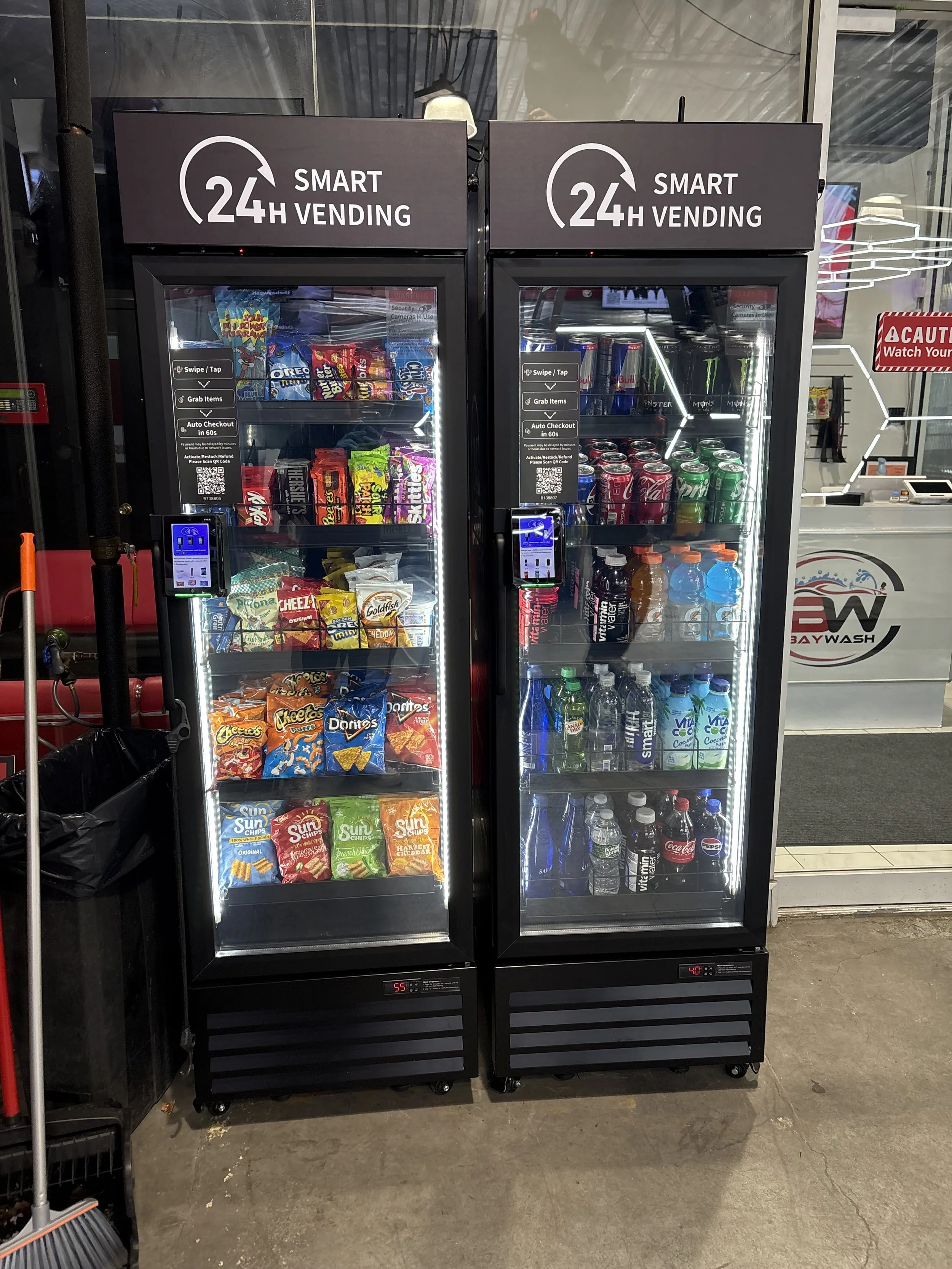
Traditional machines do best where foot traffic is heavy and predictable. AI machines like the HaHa AI Vending Machine do that too, but they also thrive in places where the machine has to think for itself: adjusting prices, tracking what sells, and letting you manage everything from your phone instead of driving out to check on it.
Here are the seven locations we see perform best, and why.
1. Gyms and fitness studios
Gym members show up hungry, thirsty, and on a schedule. An AI machine tracks which protein drinks and snacks move fastest at which hours, so you stock what actually sells instead of guessing. Grab-and-go convenience fits the gym crowd perfectly, and cashless payment matters here since almost nobody brings a wallet to a workout.
2. Office buildings
Offices are steady, five days a week. The AI advantage: remote inventory tracking means you only visit when the machine tells you it needs a restock. If you are running vending as a side business, this is the difference between checking machines every few days and checking an app.
3. Hospitals and medical centers
Hospitals run 24 hours, and so does your machine. Staff on overnight shifts and families in waiting rooms buy around the clock. Sales data by hour helps you keep the right mix stocked for both the 2 PM visitor and the 3 AM nurse.
4. Apartment buildings and condos
Residents want convenience without leaving the building. Property managers like machines that look modern and do not need constant service visits. An AI machine in a lobby or common area quietly earns while you manage it from anywhere.
5. College campuses and student housing
Students buy at all hours and expect to pay by phone. AI machines handle mobile payments natively and give you the sales data to keep bestsellers in stock during exam weeks, when demand spikes.
6. Warehouses and industrial parks
Shift workers often have limited break time and few food options nearby. A well-stocked machine becomes the default option. Remote monitoring is a big deal here since these locations are usually not places you pass by every day.
7. Hotels and event venues
Guests want snacks at midnight and the front desk does not sell them. AI machines can adjust pricing and product mix based on what actually sells at your property, and the sleek touchscreen look fits a lobby better than a 1990s snack machine.
What makes a location work
Whatever spot you are considering, look for three things:
Repeat foot traffic. People who pass the machine daily, not once.
Limited nearby options. The fewer competing stores, the better.
Access and permission. A clear agreement with the property owner, including where the machine sits and who covers electricity.
How the AI part pays off
In any of these locations, a traditional machine can earn money. Traditional machines typically run $2,000 to $5,000 and are a proven, lower-cost way to start. What the AI machine adds is information: it tells you what to stock, when to restock, and how your money is doing without you driving out to look. Across multiple locations, that saved time adds up fast.
Ready to claim your spot?
Monclus stocks AI vending machines and traditional machines at our Queens warehouse, serving New York, New Jersey, and Connecticut. Browse the store, or call us at (718) 744-6018 and we will help you match the right machine to your location.
FAQ
Where do AI vending machines make the most money? High repeat-traffic locations such as gyms, offices, hospitals, apartment buildings, college campuses, warehouses, and hotels tend to perform best, especially where nearby food options are limited.
Do I need permission to place a vending machine? Yes. You need an agreement with the property owner or manager covering placement, electricity, and any revenue share before installing a machine.
Why choose an AI vending machine over a traditional one for these locations? AI machines offer remote monitoring, sales tracking, and cashless payments, which saves you trips and helps you stock what actually sells. Traditional machines cost less upfront, typically $2,000 to $5,000, and remain a solid starting point.